I have a long-running group chat with my four closest childhood friends—the women who’ve known me through awkward haircuts (the infamous ’80s perm), ill-advised bravado (challenging my brother to a table-tennis match; my right thumb has never recovered), and and every milestone that truly mattered, including finishing the first draft of my first novel: 85,000 proud words that never saw publication.
These days, our conversations are less about who’s dating whom and more about job interviews for our adult children, scholarship deadlines, memory lapses, and which one of us is updating a parent’s power of attorney.
We are, unmistakably, the sandwich generation. And we’re feeling the squeeze.
There comes a moment in midlife when you look around and realize that everyone you love is carrying something heavy — a struggling teenager, an aging parent, a body or mind that’s beginning to falter. And somehow, without fanfare, you’ve become the one holding the flashlight for your friends as they navigate the same darkness.
Midlife doesn’t announce itself with a banner; it slips in quietly, rearranging your priorities and adding new roles you never auditioned for. One day you’re trading recipes and vacation ideas, and the next you’re comparing neurologists and insurance forms with the same childhood friends you once passed notes to in class.
Yet what we do have is each other — and that has turned out to be its own kind of lifeline. When my mother had surgery four winters ago and a monsoon storm threatened to shut down the roads, it wasn’t a relative but a friend’s husband who showed up in his hulking four-wheel-drive truck to bring her safely home.
Mostly, though, our support looks like this:
“I’m so sorry.”
“You’re doing your best.”
“You’re a good daughter.”
Simple words, but they land like a warm blanket.
Catherine Newman, who writes beautifully about caregiving, says the most meaningful gesture is often just a single text message — a reminder that someone is out there, keeping watch with you. We’re here. We love you. You’re not alone.
The experts agree: caregivers don’t need fixing; they need witnesses. They need people who will listen without instruction, who will say, “Tell me what’s hardest right now,” and mean it. They need friends who offer tangible help — I’m free at 10, can I bring coffee? Can I order dinner for your kids? — because open-ended offers often fall flat when someone is overwhelmed.
And sometimes, if the relationship allows, they need someone who’s willing to step in for an hour or two. To sit with a parent, play a card game, drop off a favorite snack, or simply break up the sameness of difficult days.
Over the last four years, I watched my dear friend care for her older sister with a tenderness that both broke my heart and humbled me. Her sister had been widowed long before her cancer diagnosis, and without hesitation, my friend stepped into the role of primary caregiver. It was not something she trained for. It was simply what love asked of her.
As her sister declined, the emotional labor intensified — the guilt, the anticipatory grief, the old memories resurfacing at inconvenient times. The caregiving researchers call this “experiential similarity”… the relief of talking to someone who has walked a similar path. I hadn’t. But I could still sit with her in the dark.
After her sister passed away last month, my friend told me that what sustained her most wasn’t the meals people dropped off or the errands they ran — though those mattered. It was the simple, steady messages: I’m here. This is brutal. You’re doing everything you can. You’re a good sister.
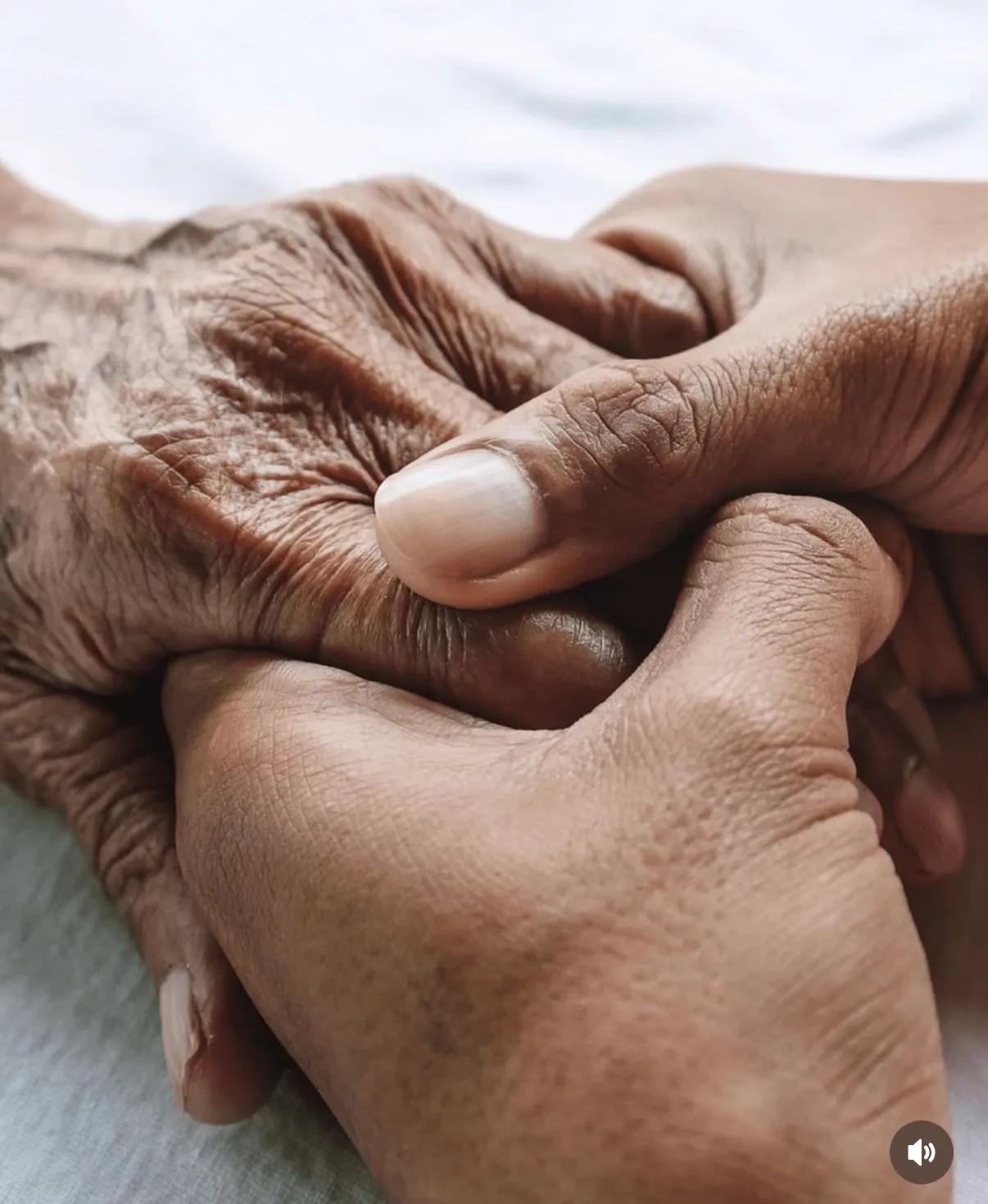
Caregiving reshapes a person. It strips life to its essentials: presence, patience, gentleness. My friend didn’t just care for her sister — she walked her all the way home. And in watching her, I learned something about how to love someone through the longest goodbye : stay close, stay steady, and remind them they don’t have to carry it alone.
From Write, Wander, Repeat to CHAI and CHATTER
When I started this Substack in June 2025, I called it Write, Wander, Repeat. For years, I’d been blogging about travel, and I wanted this space to carry forward that same spirit of movement and discovery.
But then something shifted.
Over the past six months, I found myself writing more personal essays—about the diaspora, about culture, about my own overthinking, neurotic inner world. And unexpectedly, those words began to resonate. Readers showed up. Messages landed in my inbox. Conversations started. Momentum quietly built.
I sat with that for a while.
Chai and Chatter began to feel like a truer reflection of what this space has become—not just about wanderlust, but about connection, conversation, and the stories we carry with us.
So I’m letting this Substack become what it needs to be.
If you like what you see, give me a shout-out.
_________________________________________________
If you’re in San Francisco on January 17, come by and hear me read along with fellow artists, Alka Joshi, Shobha Rao, and Acharya Shunya: