At the start of the pandemic, my twenty-four-year-old nephew who had come home from Los Angeles to check on how my husband and I were doing (given our dangerous age bracket, he’d said) went out and bought two gallons of Arrowhead pure distilled water.
He is three months overdue for a haircut so that his hair looks like a black mop as he stands with his hands on his hips, and when he smiles, he looks almost radiant. I turn sparkling eyes on him, beaming a Tom Cruise worthy smile at his thoughtfulness. Inwardly, I cringe. My American nephew is used to purified water from a water filter pitcher. I’ve grown up with water bursting from a rusty tap in a kitchen with twenty-year-old appliances, the pictures of Guru Nanak and Pandit Nehru hanging on the wall, the remains of a cockroach that was pounded on the head still to be cleared from the gaping drain hole.
“That’s why you’re so susceptible to cavities, “ explained my dentist kindly. “There was no fluoride added to the water where you grew up.” He was about forty years of age, short and stout with a florid complexion and a bald head, but when he told me he’d take care of me, I felt my insides melt.
I experienced the same sense of ecstasy I did when I rolled down the window of my Camry and breathed in all the strange, thrilling scents of this new country: fresh-cut grass, petrol fumes, a cloud of masculine cologne in an elevator.
My mind travels to the first time I returned from the corner market in Oakland Hills where we lived —carrying in my bag a small packet of rice, and a container of yogurt and a few pieces of fruit, along with a bar of soap and a small bottle of shampoo—that the country was so empty. In walking the two blocks to the store, I had seen a few cars drive past, and a plane overhead, and heard a distant honk, but there hadn’t been a single person on the streets. Not one. Where were they? Did anyone even live here I wondered? Did they all go to another city to work or to school or to shop?
It frightened me a little, the quiet, the emptiness, the loneliness of the streets, and sidewalks, and the houses standing so abandoned, built for people who never passed or never stayed.
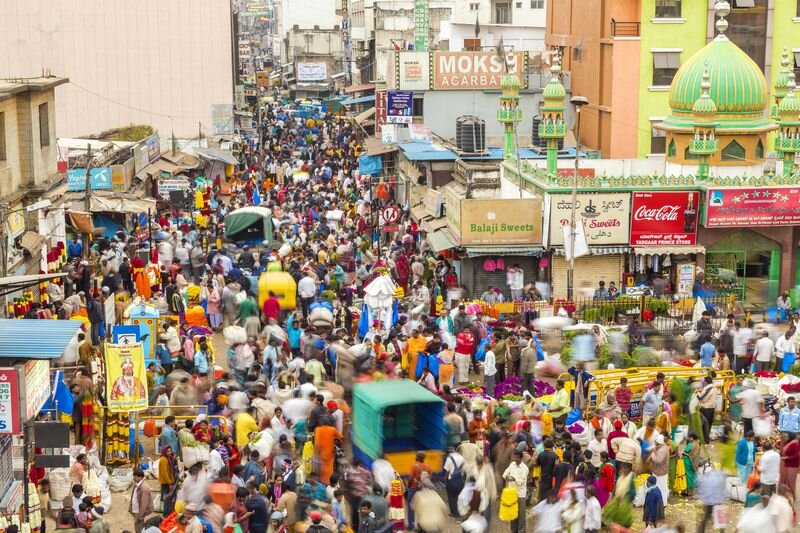
Now, after thirty years of residing in the vast living spaces of America what frightens me is the swirling currents of brown-skinned humanity of my country of origin. Old Delhi’s’ narrow streets swarming with people, cows, bullocks, carts, and ancient buildings which co-exist with New Delhi’s’ gleaming skyscrapers teeming with apartment towers like fists raised triumphantly towards the Gods, shopping malls as far as the eye can see, and endless traffic. And people, more people, more people!
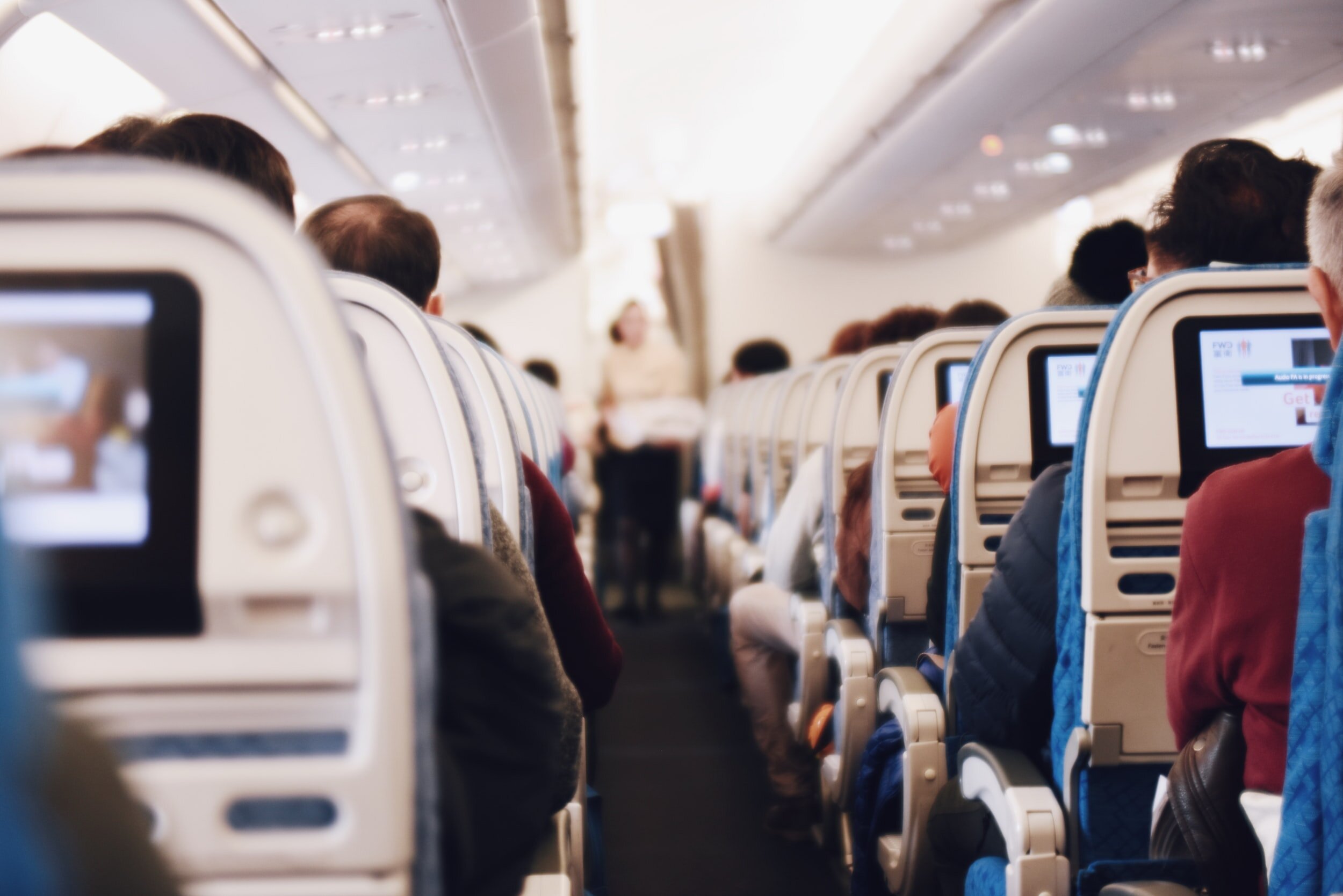
As soon as I step foot on Indira Gandhi International Airport and the smell of Delhi—curry, the stench from an open sewer, old grease, and burning cow dung assails my nostrils, I want to turn back, tap the United Air flight attendant on the shoulder and say, “Take me back home please.”