
Pre-Order THE AWAKENING OF MEENA RAWAT

Calling all #writers #authors #poets #dreamers:
I was incredibly lucky to be interviewed recently by the founder of the “Women in our Town” podcast based in Canada. Check out the article for tips for writers and those who aspire to be published.
The Doctor Who Got Fired For Using Left-over Vaccine*

The Georgia doctor looked at the clock ticking loudly on the wall in his office, with a staccato, steady beat. Twenty minutes past 5 p.m. He had six hours.
Now that a vial of Covid-19 vaccine had been opened for his last patient on this blustery February day, he had to find ten eligible people for its remaining doses before the valuable medicine—more precious than liquid gold, he’d been told—expired. In six hours.
Scrambling, the doctor made house calls and directed people to his office outside Savannah. Some were acquaintances; others strangers. A bed-ridden octogenarian woman. A mother with a special-needs child who used a ventilator. A man in his 80s with dementia.
The Unequal Scramble for Vaccines

As soon as Los Angeles County began offering Covid vaccines to residents 65 and older, Sonia Khatri, whose non-profit agency ran a medical clinic, noticed something different.
“Suddenly our clinic was full of white people,” said Dr. Khatri, the head of Asha Kiran, which provided services to the poor. “We’ve never had that before. We serve people who are disproportionately colored—Indians, Pakistanis, Mexicans, some African-Americans.” She adjusted the steel-rimmed thick eyeglasses on her nose, which everybody said made her look like Gandhi.
\”I feel responsible for my son\’s death\”: the surge in Student Suicides

Baljeet Kaur saw the way they looked at her: at the funeral service, at the temple—which smelled of ghee and of underarm sweat—where a small congregation gathered after the cremation. When they came to the house carrying covered casserole dishes and potted plants. The hushed whispers, the looks of reproach, the pity on their faces. They looked at her as if they were surprised that she was still here on earth, still able to stand, and walk and breathe. Often they did not even meet her eyes or they looked away when they did as if her pain might be contagious.
“Yes, I am a mother to be pitied.” She wanted to yell and scream until her throat bled.
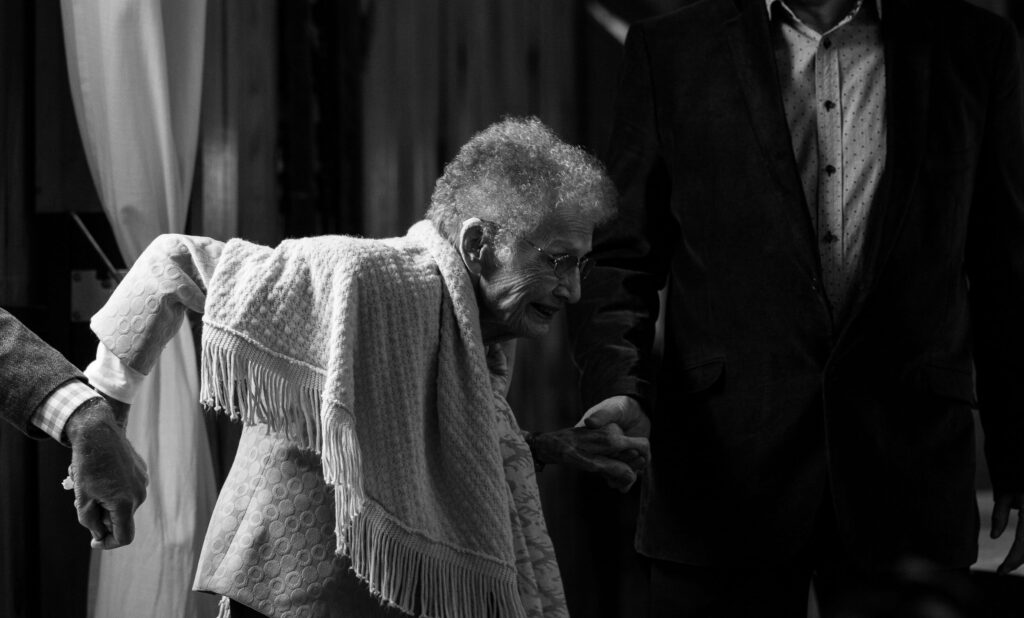
Elderly and Anxious: Desperate to get a vaccine
Rajeev sat at the six-drawer wooden desk that he had bought for twenty dollars at a thrift store when he’d moved to California some three decades ago. It was made of oak and at one time had been a sturdy piece of furniture, probably purchased for some fashionable den or office space in someone’s home or workplace. Now it sat on a threadbare Kashmiri silk rug with one of its legs propped up on two old record album covers of Muhammad Rafi—considered one of the greatest Indian film playback singers—that had once belonged to his father.
He took a big sip from the steaming cup of masala chai that his wife had brewed for him and prepared to go into battle.
2020\’s over; Here\’s how to survive 2021!

2020 was a challenging year that many would want to bury so deep in their memories that they could forget it. Little wonder that on New Year’s eve people were celebrating the coming of 2021 as a return to ‘normal’ life.
And yet, the start of 2021 has shown us that monsters still lurk beneath the bed and that when the clock struck midnight on 31, the problems of 2020 did not just fade away.
Cheryl Fulton, an associate professor in the professional counseling program at Texas State University, noted that holding out for a better future “not only robs you of living fully now but may also rob your future present when it doesn’t live up to its promise.”
Creating lemonade out of lemons: Cheers to all those to made the most of 2020!

Anil hears the baby crying upstairs in her nursery. She’s woken up from her mid-day nap. Earlier today than usual, he thinks with a lopsided smile. He hears the sounds as his wife opens the door to the yellow wallpapered room, rocks Arya back and forth, murmuring against her ear. Snatches from a familiar Hindi lullaby crowd his mind.
Anil shakes his head, forces himself to concentrate on the email sent from his boss about the reopening of distribution channels to China. In less than an hour, I’ll have time to go meet baby Arya. Eat my lunch with her perched on my lap. She will coo and gurgle. I’ll talk back to her. Teach her how to say ‘Papa’. Arya will look at me and laugh. Ah, what bliss. A wide, genuine smile like curling oil spreads across his face. Thank you, Bhagwan for this pandemic!
Her brain has turned to mush: Inside Nursing Homes

After months of near isolation inside her senior care facility—India Home—Suman Pandey no longer recognizes her daughter, Tanya.
Tanya stumbles out of her mother’s room towards the nursing station just outside, too overwhelmed to speak. She’d expected to see some changes, yes—after four months of not being able to visit Mummy she’d felt her chest heave at the shrunken woman she found slumped against the pillows, her thick black hair had gone fine, wispy and completely white. Bits of pink scalp showed through. Had it truly been so long?
But what made Tanya’s knees buckle and her mouth fall open in a cry that was like the wail of a broken, desolate heart was the blank face her 84-year-old mother turned to her as she entered, bearing a box of Mummy’s favorite besan ladoos.
“Who are you?” Suman Pandey asked, her eyes huge and confused.
Managing \”The Call\” with a Literary Agent

You’ve spent a year (or six) writing a 90, 000-word Adult fiction novel. You’ve poured sweat, love, and too much midnight oil into it—coming up with an original plot, fleshing out characters that are relatable and memorable, minding the pacing . . . Whew!
Then, you dive into the querying process and the pain begins to kick in. You research agents like a forensic scientist. You submit queries like it’s a full-time job or depending on your approach, perhaps you submit to only a select few. And then, if your experience is anything like mine, wading through rejection letters becomes a second full-time job. The advice out there is you shouldn’t take it personally and you should develop a thick skin. Hah! Easier said than done—every rejection feels like some angry prophet’s judgment on your soul.
Why I Write?

I was raised in a middle-class family in New Delhi, India where education was key, fresh pomfret fish for dinner was a treat, and budget-conscious holidays in hill stations defined our summers. As a young girl, I was expected to apply myself at college, get a job that would allow me to be financially self-reliant, get married, and have kids—in that order.
Given this worldview, “writing” was a bourgeois activity, encouraged by my mom, who was an avid fan of Reader’s Digest and Harlequin romances.